
Ginisang Pusit: Easy Savory Filipino Squid Dish for Dinner
Last Updated on March 4, 2026 by Karla Recipes
The first time I tasted Ginisang Pusit, I was instantly captivated by the perfect melding of flavors a comforting dance of tender squid and juicy tomatoes, all enhanced by the warm aromas of saut ed garlic. This Filipino seafood dish, with its simplicity and zest, has become a staple in my kitchen, especially on weeknights when I crave something truly satisfying but don t have much time to spare.
Imagine the vibrant colors of the dish as it simmers, the tender pieces of squid soaking up every delicious bite complemented beautifully by a toasty bed of rice. Whether you re a seasoned home chef or someone just looking to refresh their weeknight routine, this easy, budget-friendly recipe is sure to impress. So let s dive into the world of Ginisang Pusit, where every bite is an invitation to savor the rich flavors of the sea!
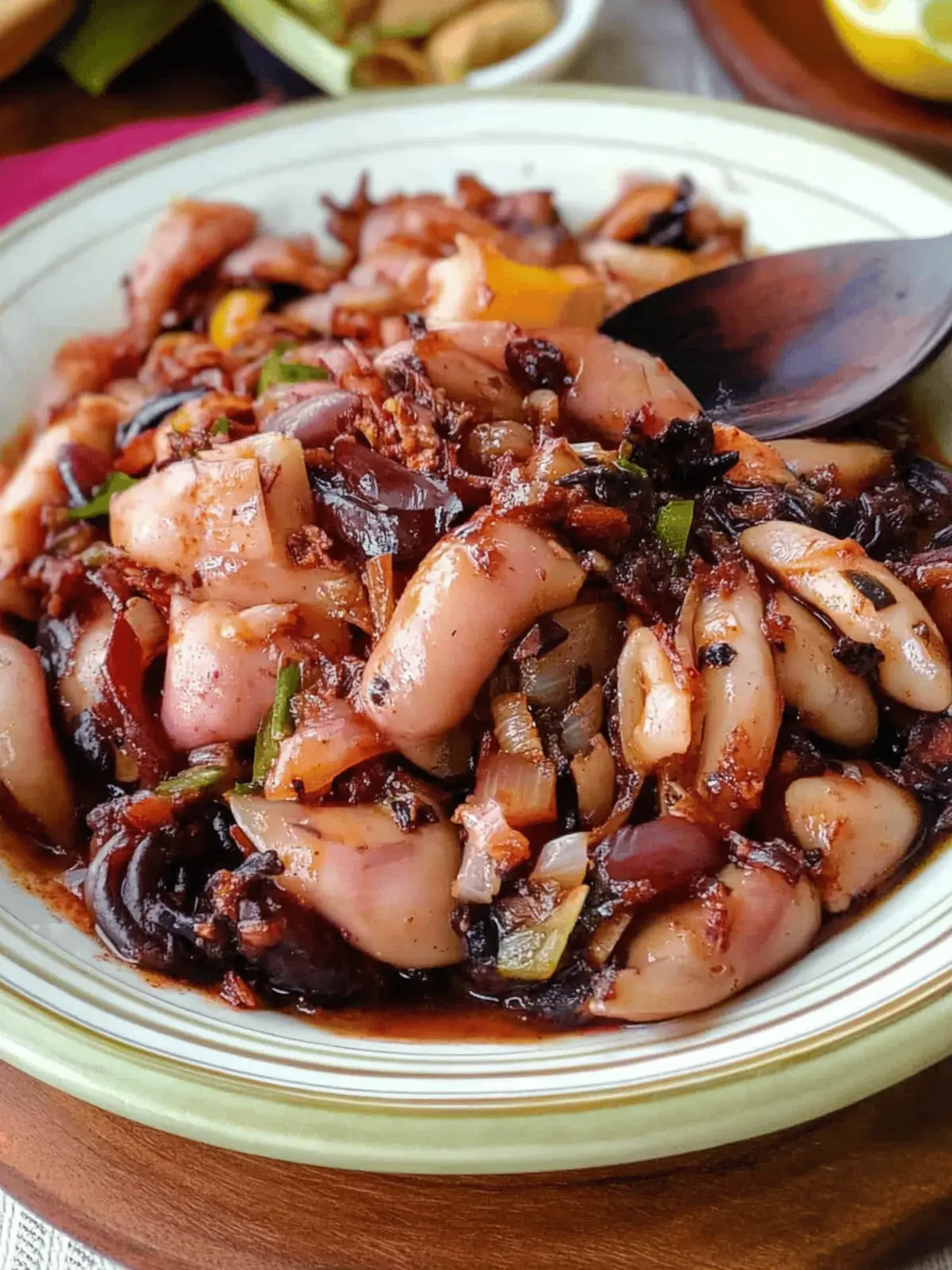
Why is Ginisang Pusit so popular?
Delicious, Flavorful Dish: This recipe delivers a warm, savory experience that perfectly blends the flavors of squid, tomatoes, and garlic.
Quick to Prepare: You ll enjoy a delightful meal ready in no time ideal for busy weeknights!
Budget-Friendly: Using affordable and accessible ingredients makes it easy on the wallet without sacrificing taste.
Versatile Serving Options: Pair it with rice or enjoy it as a standalone dish; the possibilities are endless!
Impressive Presentation: The vibrant colors make Ginisang Pusit not just tasty but visually appealing perfect for entertaining guests or impressing family.
Health-Conscious Choice: Packed with protein and low in calories, it s a guilt-free indulgence that fits into balanced meal plans. Enjoy this flavorful dish and remember to check out quick seafood recipes for more inspiration!
Ginisang Pusit Ingredients
For the Stir-fry
Squid Main protein component; tender and absorbs flavors from the sauce.
Canola Oil Used for saut ing; a neutral oil that supports the dish s flavors.
Onion Adds sweetness and texture; essential for the base of the sauce.
Garlic Adds aromatic depth; enhances the overall flavor.
For the Sauce
Roma Tomatoes Provides acidity and juiciness; essential for the sauce.
Fish Sauce Traditional flavor enhancer providing umami; can be substituted with soy sauce for a different flavor profile.
Vinegar Provides acidity to balance the dish; helps tenderize the squid.
Bay Leaf Infuses the dish with a subtle herbal note.
Peppercorns Contributes a mild heat and flavor complexity.
Salt and Pepper Basic seasonings to taste; adjust according to preference.
Enjoy crafting this delicious Ginisang Pusit that brings the comforting flavors of the Philippines to your table!
How to Make Ginisang Pusit
Clean the squid by removing the cuttlebone and rinsing thoroughly, ensuring all sand and impurities are gone. This step is crucial for a fresh-tasting dish.
Boil the squid with vinegar, 2 minced garlic cloves, peppercorns, and bay leaf in a pot. Bring it to a boil for 3-5 minutes until the squid turns opaque. This process adds a tangy flavor.
Drain the squid, but remember to reserve about 1 cup of the cooking liquid. This will help develop a rich sauce in later steps.
Heat 1 tablespoon of canola oil in a hot pan. Saut the onion and the remaining garlic until softened and fragrant around 2-3 minutes will do!
Add the chopped Roma tomatoes to the pan and mash them gently with a spoon until they soften, allowing the juices to release. Cook for 1-2 minutes.
Stir in the fish sauce, and let it cook for a few moments to enhance the flavors of the sauce.
Combine the squid with the reserved liquid in the pan. Simmer everything together until the squid is cooked through and the sauce reduces to your desired thickness.
Season the dish with the remaining tablespoon of oil, salt, and pepper before serving hot on a dish or bowl.
Optional: Garnish with fresh herbs for an eye-catching finish!
Exact quantities are listed in the recipe card below.
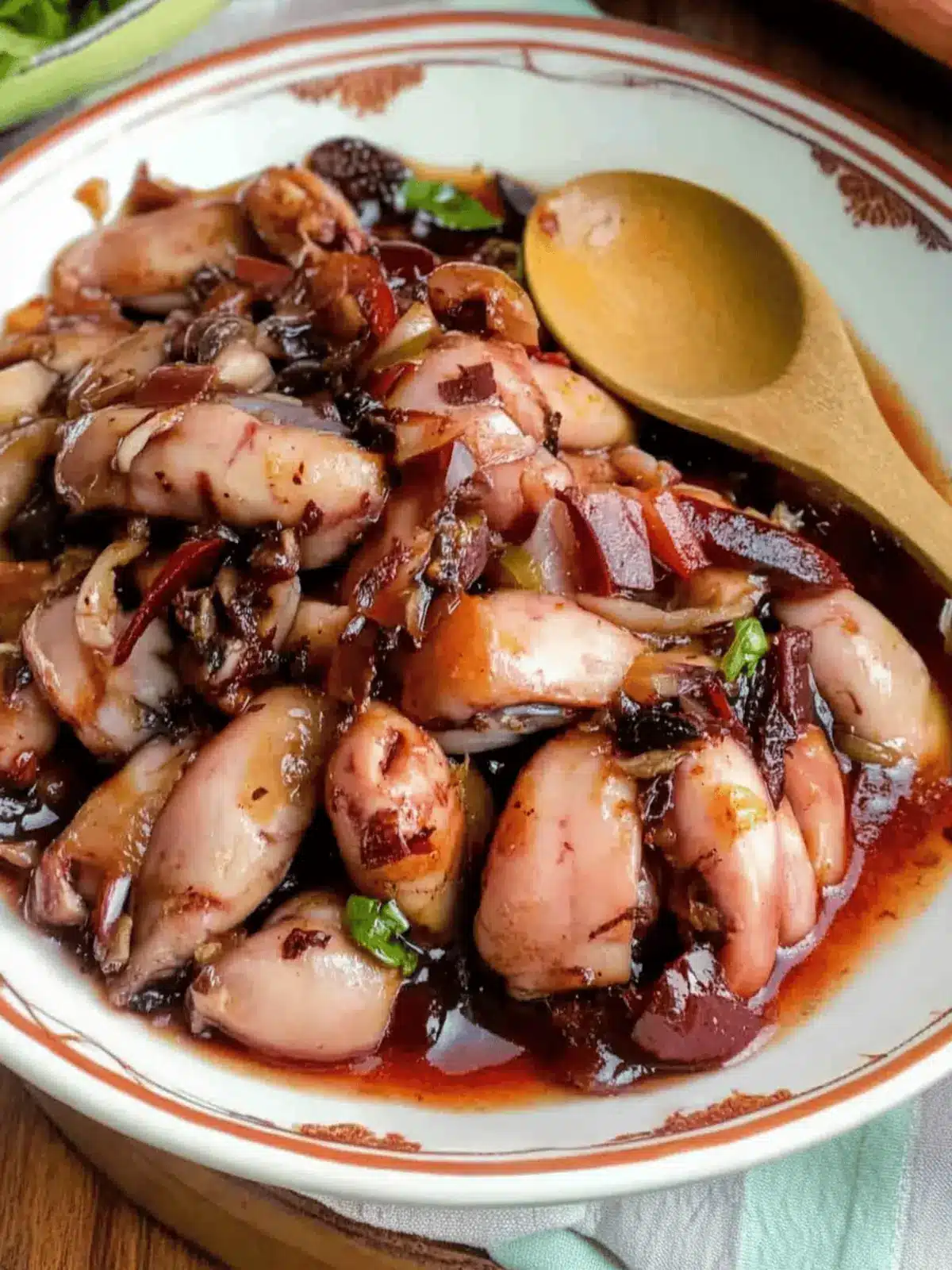
What to Serve with Ginisang Pusit?
To elevate your dining experience, consider these delightful accompaniments that perfectly complement the flavorful stir-fried squid.
Steamed Jasmine Rice: The light, fluffy texture of jasmine rice absorbs the savory sauce beautifully, creating a harmonious balance with the dish.
Garlicky Stir-Fried Vegetables: A colorful medley of saut ed bell peppers, snap peas, and carrots brings both crunch and freshness, enhancing the meal with a burst of nutrients.
Crispy Fried Tofu: The crispy texture and subtle soy flavor of fried tofu add an interesting contrast, making every bite of Ginisang Pusit even more enjoyable.
Sweet Mango Salad: The natural sweetness and acidity of fresh mangoes tossed with lime create a refreshing side that brightens the meal and cuts through the richness of the squid.
Chilled Cucumber Slaw: Crisp cucumber slices dressed with a light vinegar-based dressing provide a refreshing palate cleanser that perfectly balances the savory flavors.
Classic Filipino Pandhi: For dessert, indulge in this sweet, coconut-filled treat to finish your meal on a high note, melding tropical flavors with warmth and nostalgia.
How to Store and Freeze Ginisang Pusit
Fridge: Store leftovers in an airtight container for up to 3 days to maintain freshness and flavor. Reheat gently on low heat to avoid overcooking the squid.
Freezer: If you want to keep Ginisang Pusit longer, freeze it in a freezer-safe container for up to 2 months. Thaw overnight in the fridge before reheating.
Reheating: When ready to enjoy, heat it on the stovetop over medium-low heat with a splash of water or broth to revive the sauce without overcooking the squid.
Portioning: Consider dividing the dish into smaller containers before freezing, making it easier to reheat just the right amount for quick meals.
Expert Tips for Ginisang Pusit
Tender Squid: Avoid overcooking the squid to retain its tenderness; it will continue cooking in the sauce, so keep an eye on the time.
Vinegar Control: Do not cover the pot when boiling the squid; this helps to reduce the strong acidic taste of vinegar, ensuring a balanced flavor.
Spice It Up: For those who enjoy a bit of heat, add sliced chili peppers or crushed red pepper flakes during cooking for a delightful kick.
Flavor Enhancements: Experiment with adding a splash of lime juice or fresh herbs at the end for a zesty finish that brightens the Ginisang Pusit.
Perfect Pairing: Always serve with warm steamed rice to absorb the delicious sauce a classic combination that never disappoints!
Ginisang Pusit Variations & Substitutions
Feel free to explore these delightful variations, where you can put your own spin on this beloved dish!
- Dairy-Free: Swap any added creaminess with a splash of coconut milk for a subtle sweetness.
- Spicy: Incorporate fresh sliced chili or a teaspoon of chili flakes to amp up the heat according to your taste.
- Vegetable Boost: Add bell peppers or snap peas for a pop of color and extra crunch; they pair beautifully with squid.
- Umami Kick: Replace fish sauce with a high-quality soy sauce for a different savory profile that still enhances the dish.
- Herbaceous Twist: Toss in fresh basil or cilantro just before serving for a refreshing hint that brightens the flavors.
- Citrus Zing: Squeeze some fresh lime or lemon juice over the finished dish to add a zesty lift that complements the squid wonderfully.
- Texture Variation: Top with crispy fried garlic or shallots for an irresistible crunch that contrasts the tender squid.
- Protein Variation: Substitute squid with shrimp or chicken for a different twist while keeping the dish equally delicious.
Embrace these variations and make Ginisang Pusit your own culinary masterpiece!
Make Ahead Options
Ginisang Pusit is an ideal dish for meal prep, allowing busy cooks to enjoy a delicious, homemade meal with minimal effort! You can clean and boil the squid up to 24 hours in advance, storing it in an airtight container in the refrigerator. The sauce, made with saut ed onions, tomatoes, and fish sauce, can also be prepped and refrigerated for up to 3 days. To maintain the quality of your Ginisang Pusit, avoid overcooking the squid initially, as it will continue to cook in the sauce. When you re ready to serve, simply combine the prepped components in a pan, simmer until heated through, and enjoy restaurant-quality results with just a few final steps!
Ginisang Pusit Recipe FAQs
How do I select the best squid for Ginisang Pusit?
Absolutely! When choosing squid, look for ones that are firm and shiny, with a clean, ocean-like smell. Avoid any that have dark spots all over or a strong fishy odor; fresh squid should feel slightly slippery but not slimy.
How should I store leftovers of Ginisang Pusit?
Leftovers can be stored in an airtight container in the refrigerator for up to 3 days. Make sure it cools down to room temperature before sealing to avoid condensation. Reheat gently on low heat to maintain the squid s tenderness.
Can I freeze Ginisang Pusit, and if so, how?
Yes, you can freeze Ginisang Pusit! First, let the dish cool completely. Then, transfer it to a freezer-safe container, leaving a little room for expansion, and cover it tightly. It can be stored for up to 2 months. When you re ready to eat, thaw it overnight in the fridge, and reheat gently in a pan, adding a splash of broth or water to keep it moist.
What should I do if my squid turns tough while cooking?
The key to tender squid is to avoid overcooking it! If it becomes tough, extract it from the heat immediately and ensure you re not boiling it longer than the specified time. Remember, the squid continues to cook in the sauce, so a quick boil is all it needs!
Is Ginisang Pusit safe for those with shellfish allergies?
Sadly, Ginisang Pusit is not suitable for individuals with shellfish allergies since squid is a type of seafood. If you re looking for a similar experience, consider using a different protein like chicken or tofu, although the flavor will differ.
What can I serve with Ginisang Pusit?
Very! It pairs beautifully with steamed rice, which absorbs the delicious sauce, but you can also serve it with crusty bread or a simple green salad for a lighter meal. Enjoy experimenting with your favorite sides!